
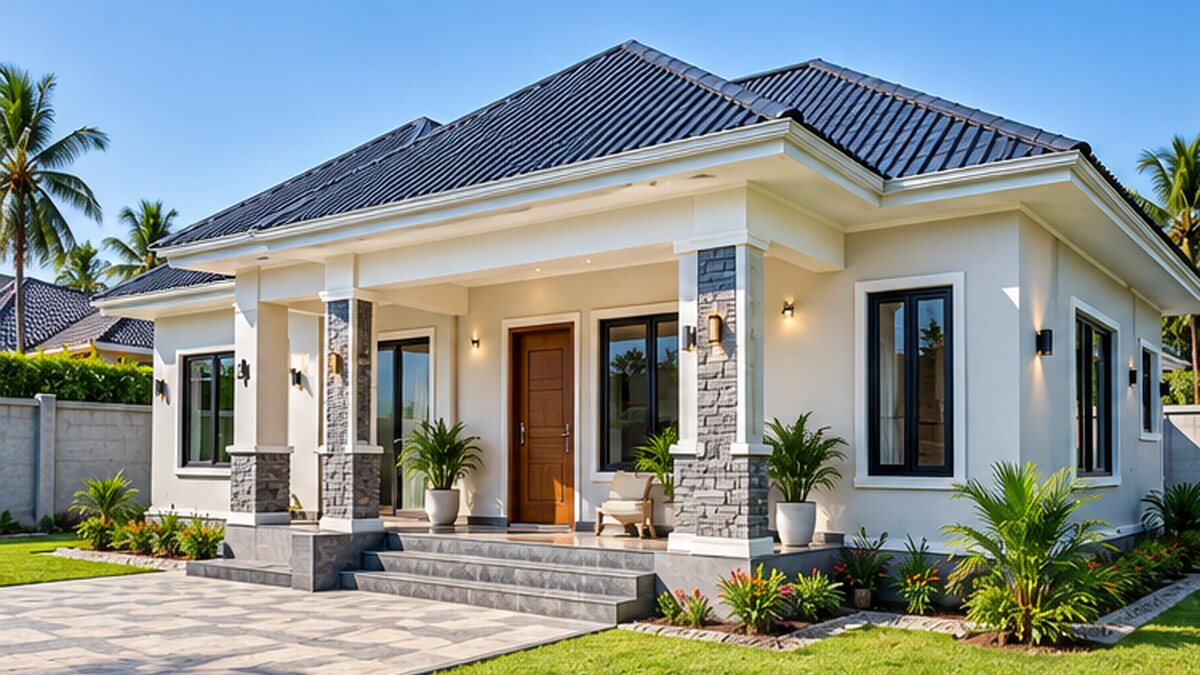
Choosing between a completed home and one still being built involves more than deciding whether you like a new finish. A completed property can be inspected as it stands; a home under construction requires you to assess documents, specifications, progress and delivery risk. The right choice depends on timing, tolerance for uncertainty and the quality of the evidence available.
What a completed home lets you assess
You can walk through the actual rooms, check the layout and observe the surrounding area. Inspect finishes, windows, doors, plumbing, electrical fittings, ventilation, drainage and visible signs of wear. Ask about repair history and have a qualified building professional assess anything that matters to your decision.
Ready-made does not automatically mean problem-free. A finished building may have defects, incomplete approvals or unclear maintenance responsibilities. Check what is included in the sale, whether shared areas are complete, and whether the property documentation matches the specific home being offered.
What to examine in a new build
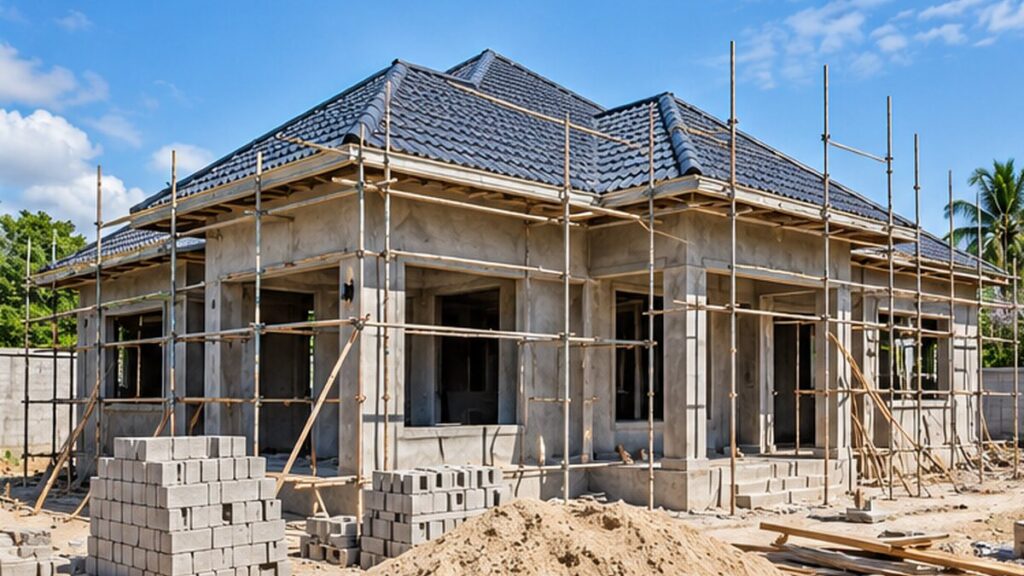
Construction-stage purchases can offer choices about finishes or layout, but only if the agreement and development process allow them. Request the written specifications, plans, expected completion schedule, payment milestones and process for approving changes. Ask which materials and fixtures are included and how substitutions would be agreed.
Investigate the developer and project using information you can verify. Review relevant ownership, planning, building and sale documents with qualified professionals. Ask how progress will be confirmed, what happens if completion is delayed, and what remedies or protections apply. A sales presentation is not a substitute for a contract review.
Understand timing and risk
If you need to move soon, an unfinished property may not meet your timeline. Construction can be affected by many factors, so ask for a realistic schedule and plan for the possibility that it changes. Do not sell your current home, leave a rental or make other irreversible arrangements based only on an informal completion promise.
A completed home allows earlier occupation after a successful transaction, although due diligence and handover still take time. A new build may require staged payments or waiting while nearby works continue. Compare the full payment timetable with your cash flow and keep a reserve for moving, furnishing and possible additional work.
Compare construction quality and total cost
For a new build, ask how the work will be inspected and what documentation will be provided on completion. If possible, have an independent professional review the project at appropriate stages. Clarify defect reporting and warranty or rectification terms in writing. For a completed home, investigate hidden systems and likely repair costs before treating the asking amount as the full cost.
Do not assume one option will always be cheaper. A new home may include features that would otherwise need to be added, while a completed property might require repairs or renovations. Compare the quoted price, included specifications, professional costs, financing, utility connections, maintenance and the value of occupying sooner.
Questions to ask before committing
- What exact property and ownership interest is being sold?
- Which plans, permits and approvals can be independently verified?
- What is included, and how are changes or substitutions handled?
- How are payments linked to progress and protected by the contract?
- What happens if completion is delayed or work differs from specification?
- Who will inspect defects and handle repairs after handover?
Use qualified legal and construction professionals to review the transaction and technical condition. Requirements and protections depend on the specific development and agreement. The best choice is the one that meets your timing and needs while leaving you comfortable with the verified documents, total costs and remaining risks.
For a completed house, list the changes you would make and obtain realistic estimates before comparing it with a new build. For a property under construction, compare the written specification with visible progress and ask how approved changes will be recorded. Keep the plans and specification attached to the agreement so both sides refer to the same version. These checks turn a vague comparison into practical questions about time, quality and cost.
Clarify how handover will be documented. Ask whether there will be a joint inspection, a written snag list, meter readings, keys and manuals for installed systems. For a new build, establish who will receive defect reports and how follow-up work is scheduled under the agreement. For an existing home, record any agreed repairs before completion. A well-defined handover prevents assumptions about what “finished” means.
Choose based on how you need to live
Think about when you need possession, how much time you can devote to follow-up and whether you are comfortable making decisions before seeing the finished rooms. Someone who must move by a fixed date may value a completed home even if it needs modest improvements. Someone with a longer horizon may consider a project if the developer, documentation and payment protections are satisfactory.
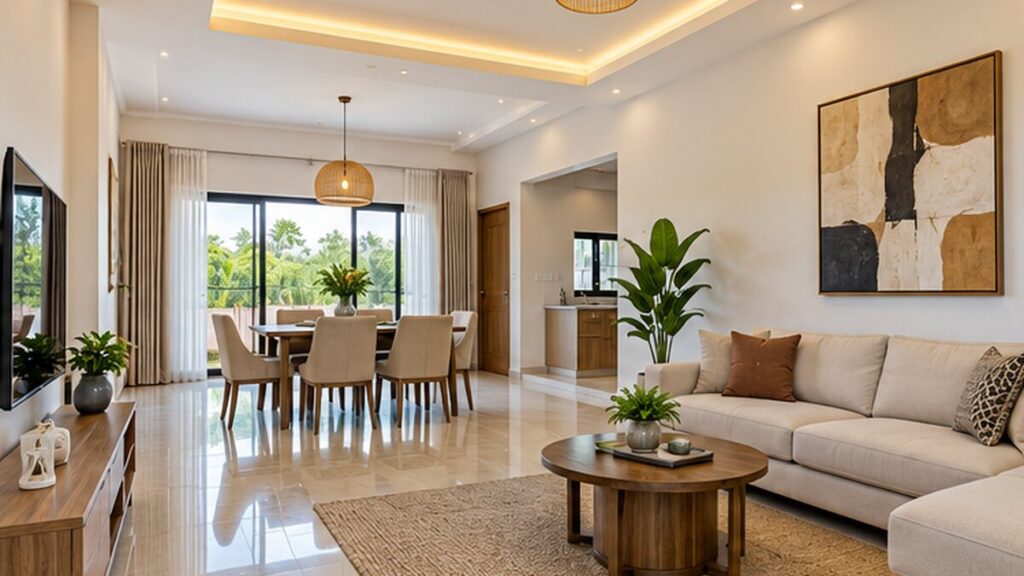
Whichever route you choose, avoid judging quality only by a showroom or sample unit. Ask what differs between the example and the exact property being sold, and make sure the agreement lists the delivered finishes, fittings and shared facilities. A careful comparison protects you from paying for an assumption that was never part of the contract.


Add comment