
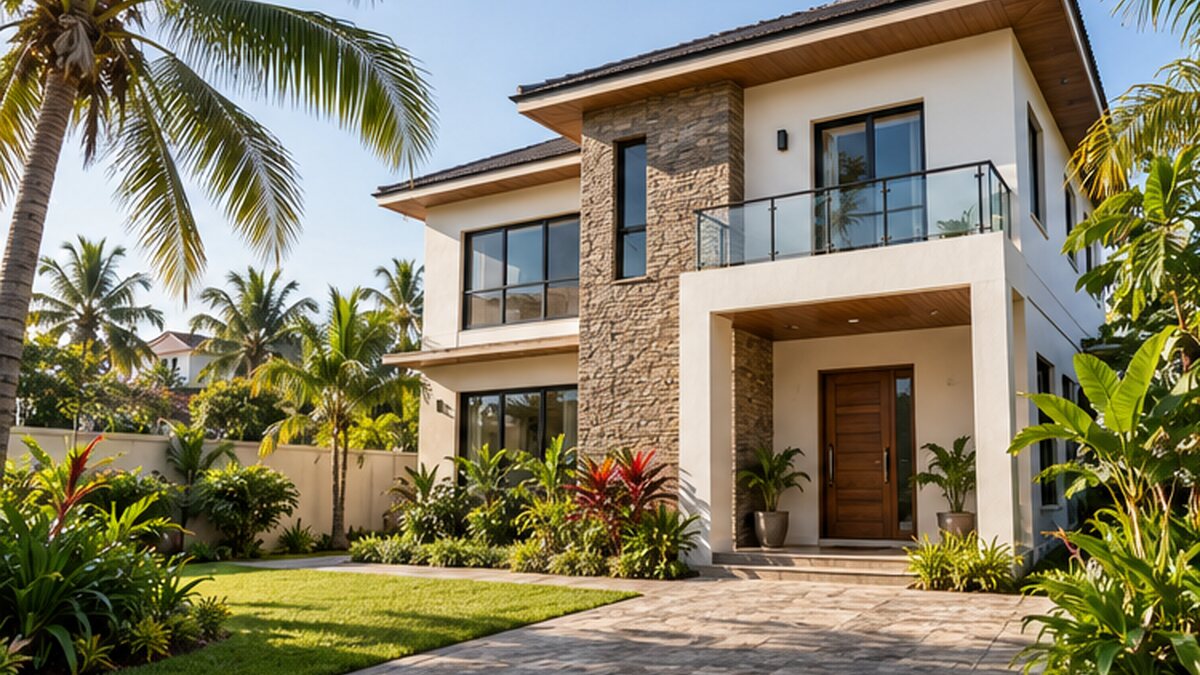
Buying a first home is a major personal and financial decision. The process can feel complicated when you are comparing locations, property types, documents and costs at the same time. A calm, step-by-step approach helps you focus on what matters and avoid committing before the important questions have been answered.
Start with a budget you can live with
Begin by listing the money available for the purchase and the regular amount you can comfortably devote to housing. Include more than the advertised price. A transaction may involve professional advice, inspections, documentation, moving, utility connections, repairs or improvements. Which costs apply depends on the property and the transaction, so ask for a written estimate from the appropriate professionals before setting your limit.
Keep a reserve for ordinary life and unexpected repairs rather than using every available shilling at the point of purchase. If you expect to borrow, confirm the terms directly with the lender and use the actual proposed repayment, fees and conditions in your budget. Do not base an offer on an assumed loan approval or an informal estimate.
Choose a location around daily life
Map the journeys that shape your week: work, school, healthcare, family, shopping and public transport. A home that appears convenient on a map may feel very different during a busy commute or after heavy rain. Visit the area at more than one time of day, note the route to the main road, and consider noise, drainage, lighting and the character of nearby development.
Ask whether water, electricity and internet service are available at the property and how they are supplied. Check the condition of the access road and whether the route is usable in different weather. Do not rely only on a brochure or a seller’s description; verify practical details in person and with the relevant providers where needed.
Compare property types and stages
A completed house lets you inspect the actual rooms, finishes and surrounding environment. An apartment may offer a different balance of space, shared facilities and maintenance responsibilities. A property under construction can involve a longer wait and a greater need to understand the developer, schedule, specifications, payment milestones and contractual protections. None of these options is automatically best for every buyer.
Compare like with like. Write down usable room sizes, layout, storage, parking, outdoor space, building condition and any shared charges. If you are considering a new build, ask exactly what is included in the quoted specification and what happens if delivery dates or materials change. Get important promises into the written contract.
Inspect carefully before committing
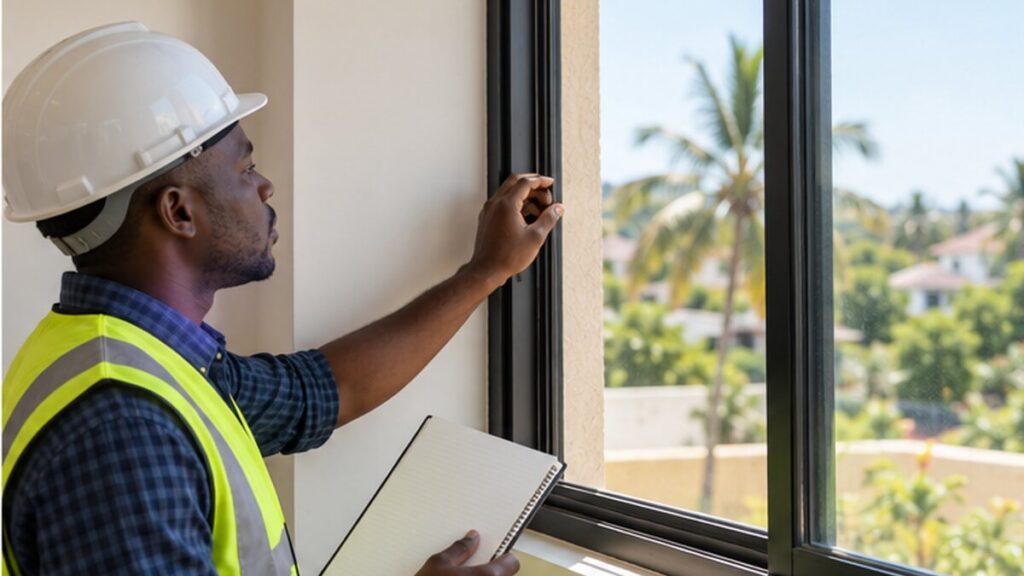
Walk through the property slowly, ideally with a qualified building professional when the value or condition warrants it. Look for signs of damp, cracks, roof or ceiling problems, poor drainage, damaged windows, sticking doors, exposed wiring and leaking plumbing. Test taps and switches with permission. Ask when major systems were installed or serviced and request available maintenance records.
Ask the seller what fixtures and fittings remain, whether there are current occupants, what repairs are outstanding and whether there are disputes or restrictions that could affect use. Take notes and photographs with permission. A viewing is not a technical survey, and a clean appearance cannot establish the condition of hidden systems.
Verify ownership and transaction documents
Do not treat a photocopy, online advert or verbal assurance as proof that a seller can transfer the interest being offered. Confirm the seller’s identity and authority, identify the exact property, and arrange appropriate searches and document checks through qualified legal and land professionals. The Ministry responsible for lands describes registration and search functions through its [official title-registration service](https://www.lands.go.tz/index.php/services/registration-of-tittle); the steps that apply depend on the property and transaction.
Ask your lawyer to explain the title or other ownership documents, any encumbrances, the parties named, the boundaries and any consent or planning matters relevant to the intended use. Confirm that names and plot details correspond across the documents. Do not pay a substantial amount simply because someone says another buyer is waiting. Agree in writing what is being paid, to whom, when it is refundable, and which conditions must be met first.
Plan the handover and keep a checklist
Before completion, confirm the agreed price and payment method, outstanding conditions, possession date, keys, meter readings, included items and any repairs promised. Keep copies of signed agreements, receipts, correspondence, inspection reports and professional advice. Arrange utility accounts and insurance where appropriate, and record the condition of the home when it is handed over.
- Set a maximum total budget and a separate reserve.
- Compare locations and property types against daily needs.
- Inspect the building and ask about repairs and services.
- Use qualified professionals to verify ownership and documents.
- Put payment terms, conditions and handover details in writing.
When negotiating, separate the price from the conditions attached to the offer. Agree how long the offer remains open, which documents must be reviewed, what fixtures stay and how any identified repair will be handled. Ask your lawyer to state these points clearly in the appropriate written documents. A friendly conversation can help clarify expectations, but the signed agreement should record what each side is actually committing to do.

A first purchase becomes more manageable when each decision has a clear next step. Explore available homes on Nova Real Estate’s property marketplace, and contact the team if you would like to discuss a listed property.



Add comment