

A property becomes easier to rent when it is safe, accurately presented and supported by clear terms. Owners do not need elaborate staging to attract serious interest; they do need to answer practical questions, maintain the home and follow a consistent process. The details of tenancy and property law depend on the circumstances, so obtain qualified advice where needed.
Prepare the home before advertising
Walk through the property as a tenant would. Repair leaking taps, faulty locks, broken switches, damaged windows and other practical problems. Clean floors, bathrooms, kitchen surfaces and storage areas. Check that doors and windows open properly and that water drains as expected. If any system needs technical attention, use a qualified tradesperson and keep records of work completed.
Decide which appliances, furniture, parking or shared facilities are included. Make sure these items are in working condition and write them down. If the home is part of a larger building, ask whoever manages it about access, rubbish, security and common-area responsibilities so you can give prospective tenants accurate answers.
Set rent using relevant comparisons
Review current listings for comparable properties with similar location, layout, condition and included services. Do not compare only by neighbourhood or bedroom count. A furnished home, a property with reliable parking or one requiring repairs may not be equivalent to an unfurnished unit in a different street.
Keep a record of the properties used as comparisons and the date you reviewed them. Ask a knowledgeable local professional for perspective if you are uncertain. Set a rent that fits both the home’s features and your willingness to wait for a suitable tenant. A very high initial asking rent can reduce interest, while an unrealistically low figure may not cover the costs you have planned.
Create an honest, useful listing
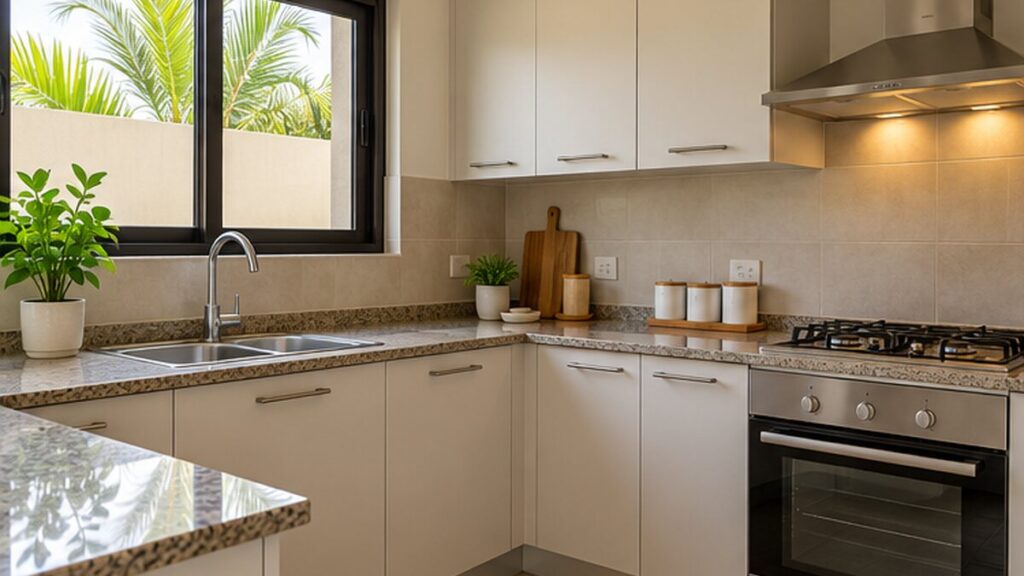
Use clear photographs taken in daylight. Show the actual rooms, exterior, access, kitchen, bathrooms and any feature that affects a tenant’s decision. Tidy the space and move personal items out of the frame, but do not hide defects through angles or editing. Prospective tenants need an accurate picture of the property before arranging a viewing.
Describe location, number of rooms, condition, furnishing, access, services, parking, rent and payment arrangements clearly. State what is included and what is paid separately. If a feature is uncertain, verify it before publishing. Avoid promising uninterrupted utilities, security outcomes or nearby services unless you can substantiate the claim.

Use a fair and consistent tenant process
Set out the information you need from applicants and apply the same lawful, relevant criteria consistently. Explain how personal details will be used and protect them appropriately. Do not request unnecessary sensitive information or make decisions based on unlawful discrimination. If you need identity or reference checks, explain the process and obtain suitable consent.
During viewings, allow applicants to inspect the property and answer questions directly. Keep a record of what was discussed. If a tenant asks for a repair or change, state clearly whether you will do it and when. Avoid taking a deposit or advance payment before you have confirmed the applicant, property, terms and authorized payment recipient.
Put the agreement and inventory in writing
Use a written tenancy agreement reviewed for the relevant circumstances. It should identify the parties and premises, state rent and payment dates, term and notice arrangements, record deposit treatment, and explain the agreed division of maintenance responsibilities. Include rules about access, alterations, occupants or other relevant issues. If a clause is unclear, seek qualified legal advice before signing.
Prepare a move-in condition report with dated photographs, meter readings and an inventory of items supplied. Have both parties acknowledge it. Provide receipts for payments and preserve a clear record of rent received, repairs requested, work completed and notices given. Good records protect both sides from avoidable disagreements.
Plan maintenance and communication
Give tenants a reliable way to report problems and explain how urgent repairs should be handled. Record the date, issue, action agreed and completion. Inspect only as permitted by the agreement and applicable law, with appropriate notice. Responding promptly to maintenance requests can prevent a small issue from becoming a larger repair.
Build a repeatable owner process
Decide how maintenance requests will be received, how urgent problems will be prioritized and how tenants will be updated. Keep a record of requests, decisions, invoices and completed work. Plan an inspection process that respects the tenancy agreement and applicable law. Consistency helps you spot recurring issues and budget for repairs before they become emergencies.
Before a tenancy ends, plan how keys, meter readings, the inventory and the final inspection will be handled. Explain the process in advance and document the property’s condition with dated photographs. Clear records and calm communication reduce avoidable disputes for both owner and tenant.
Rental management works best when expectations are specific and communication is respectful. If you would like to discuss presenting your property to prospective tenants, contact Nova Real Estate to ask what marketing or rental assistance may be available for your property.
Choose a simple way to track income and expenses from the start. Record the date rent is due and received, deposits, invoices, maintenance visits and any agreed changes. Keep tenancy documents securely and separate property records from casual message threads. A reliable record makes it easier to understand the real cost of ownership and to answer questions when the property is next marketed.


Add comment