

Two homes that look similar in a short online listing can have very different asking prices. In Dar es Salaam, price reflects a combination of location, building, services, legal and transaction details, and the seller’s expectations. Understanding those factors helps you compare options more carefully without treating an asking price as proof of market value.
Location is more than a neighbourhood name
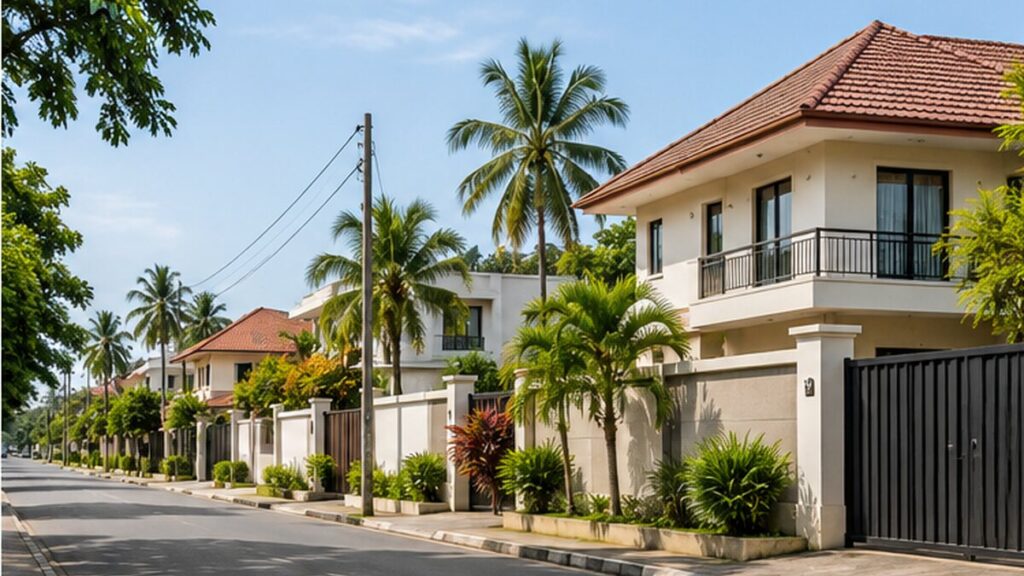
Consider the exact street and access, not just the area label. Distance to work, schools, health services, shopping and transport can affect convenience. Road condition, congestion, drainage, noise and nearby land uses can change the experience of living in two properties in the same broad district. Visit the property and travel the route at a time that resembles your usual routine.
Look at the immediate surroundings: the width and condition of access, available parking, street lighting, drainage channels and future development visible nearby. Ask which services reach the plot or building and whether the connection is active. A claim that infrastructure is “nearby” should be translated into a practical question: what service is available at this address, from which provider, and what costs or work remain?
Compare like with like
Property type and usable space matter. A standalone house, apartment, townhouse and plot are not directly comparable because they provide different rights, layouts and maintenance arrangements. Within the same type, consider the number and size of rooms, storage, natural light, ventilation, bathrooms, outdoor space, parking and accessibility. Floor area alone does not capture whether a layout works.
Building condition is another major factor. Ask about the age and maintenance of the roof, plumbing, electrical system, windows and shared areas. A recently painted wall may hide older defects, while a home needing visible cosmetic work could still have sound structure. Where a decision depends on condition, obtain a professional inspection rather than guessing at repair costs.
Services, security and shared costs
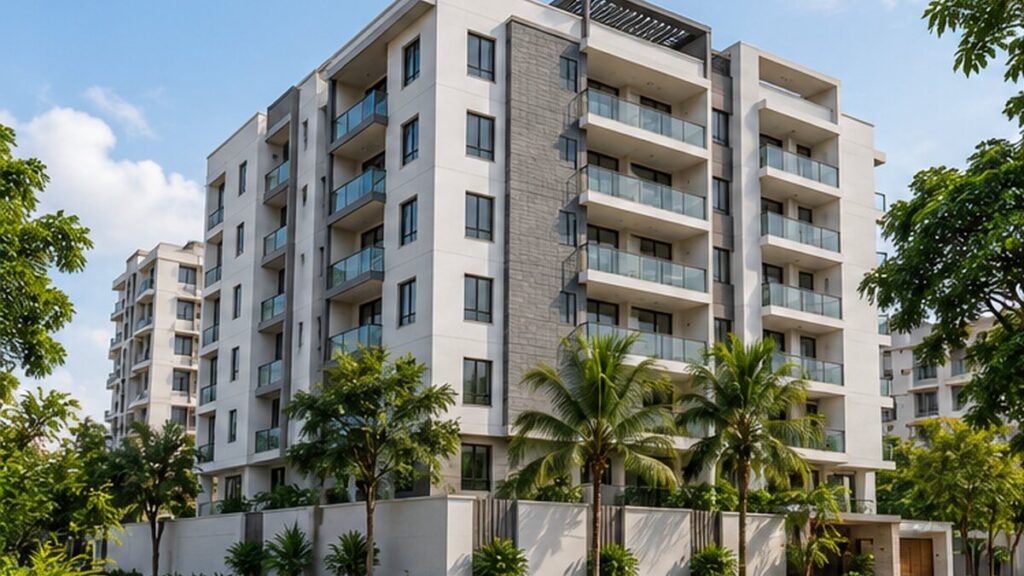
Check how water, electricity, waste, internet, security and common spaces are managed. In an apartment, ask what regular shared costs cover and how those amounts are decided. Confirm which facilities are included, whether parking is allocated, and who is responsible for repairs to shared systems. A price comparison should include recurring obligations as well as the initial amount.
Security features should be evaluated in practical terms: gates, locks, lighting, visitor procedures and maintenance of shared access. Do not assume that the presence of a wall or guard guarantees safety. Ask how arrangements work and consider whether they fit your household.
Asking price is not the same as value
An advertised price is the amount requested, not necessarily the final transaction amount or an independent valuation. Sellers may have different reasons for setting a price, and listings can remain online after circumstances change. Online comparisons are useful starting points, but they may omit condition, negotiation, ownership details, time on market or concessions.
Build your own comparison set from recent, genuinely similar properties. Record the date you viewed each listing, its location, property type, size, condition, services, asking price and what you could verify. Where possible, ask a qualified valuer or local professional to provide an independent view. Do not assume that an online listing represents a completed sale.
Questions when a price looks unusually high or low
- Is the asking amount for the exact property and ownership interest described?
- Are the plot size, floor area and included fixtures verified?
- What repairs, service charges or connection costs could change the total?
- Are access, title and permitted use clear?
- How do comparable properties differ in condition and location?
A low price can reflect urgent sale conditions, required repairs, restrictions or an incomplete listing, but it can also simply be an asking strategy. Investigate rather than assuming. A high price may reflect features worth paying for to one buyer, yet still exceed what another household can justify.
Keep a comparison record
For each property, record the date you reviewed it, the exact location, property type, usable area, condition, access, utilities, shared costs and asking price. Note which details came from documents, which were confirmed during a visit and which remain uncertain. Revisit your notes after several viewings so that attractive photography or a confident sales conversation does not blur important differences.
If you obtain a professional valuation, ask what evidence and assumptions it uses. A valuation, a seller’s asking price and a buyer’s offer are different measures. Understanding how each number was reached helps you ask better questions and negotiate without treating any single amount as certain.
For apartments or gated developments, ask for the current service-charge budget and any known major works. Find out whether charges cover security, cleaning, lifts, water systems or shared repairs, and whether there are unpaid amounts attached to the unit. These costs can materially change affordability, so request written information and have the relevant documents reviewed before making an offer.
Property comparisons are most useful when the details are current and verified. Explore Nova Real Estate’s available listings and arrange a viewing to assess a property directly. No asking price should replace independent checks and professional advice.


Add comment