

A clear, accurate listing helps buyers understand what is being offered and makes viewings more useful for everyone. Preparing a home for sale does not require hiding its character or undertaking expensive renovations. Focus on cleanliness, practical repairs, good photographs, correct details and a well-organized viewing process.
Start with a practical walk-through
Walk through each room and note issues a buyer is likely to notice: leaking taps, loose handles, broken lights, damaged screens, stuck doors, peeling paint or cluttered storage. Fix small problems that are safe and affordable to address. For work involving wiring, plumbing, structure or height, use an appropriately qualified professional.
Do not cover or conceal a defect that could affect a buyer’s decision. If a repair is not practical, document the issue and be prepared to describe it honestly. Gather receipts or reports for work already completed and keep records of known maintenance needs.
Clean, declutter and improve light
Remove excess items from counters, walkways and storage areas so buyers can understand the room’s size and use. Clean windows, floors, bathrooms, kitchen surfaces and visible fixtures. Open curtains and switch on working lights for photographs or viewings, while checking that the result still looks natural. Fresh air and a tidy entry can make the home easier to assess.
Keep the presentation consistent with the property. A simple, neutral arrangement lets the building speak for itself. Avoid staging that makes rooms seem larger than they are or adding features that are not included in the sale. Buyers should see an honest representation of the home they will visit.
Prepare accurate photographs and details
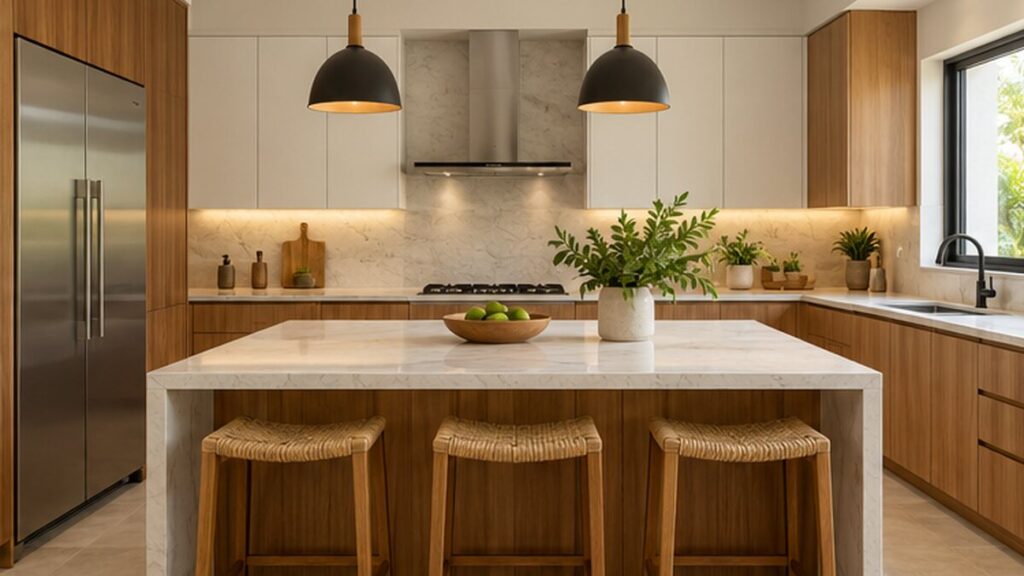
Take photographs in daylight and show the main spaces from useful angles. Include the exterior, living areas, bedrooms, kitchen, bathrooms, outdoor space and any feature that materially affects the decision. Keep vertical lines straight and avoid extreme wide-angle views that distort room proportions. Remove personal documents, valuables and family photographs from view.
Write a description that states verified facts: property type, rooms, approximate size where known, location, condition, included fixtures, parking and available services. Check spellings and measurements against reliable records. Explain clearly if an item in a photograph is excluded or if a service has limitations. Do not promise that a feature is available unless you have confirmed it.
Organize documents and pricing information
Collect the ownership and property documents relevant to the sale and ask a qualified lawyer which records a prospective buyer will need to review. Keep plans, survey details, approvals, service information, maintenance receipts and any shared-building rules together where available. Do not publish sensitive personal or financial information in the listing.
Consider an asking price using comparable properties with similar location, type, size and condition. Current listings can offer context but do not prove sale values. A qualified valuer or experienced local professional can help you understand differences and set a reasoned expectation. Be clear about what is negotiable and what process you will use to review offers.
Make viewings safe and useful
Agree who will attend and when. Secure valuables, medicines and personal documents before visitors arrive. Keep access to the home safe, and consider having another person present. Allow buyers enough time to inspect rooms and ask questions. If they ask something you do not know, say you will confirm rather than guessing.
Keep a record of viewing feedback and any follow-up information promised. If the home is occupied, coordinate appointments respectfully and explain how belongings will be protected. Be consistent in what you tell each prospective buyer about condition, services, boundaries, fixtures and known issues.
Seller’s final checklist
- Complete practical, safe repairs and disclose known limitations.
- Clean and declutter without misrepresenting the space.
- Use clear photographs of the actual property.
- Verify measurements, included items and service details.
- Organize ownership and maintenance documents.
- Prepare a realistic asking-price rationale and viewing plan.
Review the advert from a buyer’s point of view
Ask someone unfamiliar with the property to read the description and review the photographs. Can they understand the layout, what is included, where the home is and which facts remain unconfirmed? Correct wording that could be misunderstood. Buyers may ask detailed questions, so keep the source documents and service information available for follow-up.
Prepare answers about access for viewings, occupancy, included fixtures and the preferred offer process. If a detail is not known, say so and confirm it before making a representation. Accurate communication helps buyers arrive with realistic expectations and lets you focus on enquiries that match the property.
Set a safe viewing routine. Keep valuables and personal records secured, schedule visits at agreed times, and decide who will accompany prospective buyers. If you cannot attend, confirm who is authorized to provide access and what information that person may share. After a viewing, note any follow-up request and respond consistently. Preparation makes the process more comfortable without putting pressure on visitors or making claims you cannot support.

A well-prepared listing gives buyers the information they need and helps you handle enquiries with confidence. Contact Nova Real Estate to discuss how your property might be presented to prospective buyers and what information would be useful for an accurate listing.

Add comment