

A rental home needs to work in real life, not only during a short viewing. In Dar es Salaam, the right choice depends on your routine, budget, household and the details of the specific building. Use a consistent checklist and take enough time to confirm the terms before sending money or arranging a move.
Start with your routine and location
List the places you visit most often: work, school, childcare, health services, family and shops. Consider how you will travel at the times you actually need to travel. Check road access, public transport options and the availability of safe parking if you drive. Visit the property during both daytime and evening to understand traffic, noise, lighting and how busy the immediate street feels.
Do not judge an area by distance alone. A nearby main road can make a journey easier, while a route that floods or becomes difficult to use may add time and cost. Ask neighbours or the caretaker practical questions about water supply, refuse collection, security arrangements and common-area maintenance. Treat their answers as useful context and verify important details independently.
Set a full rental budget
Write down the rent and every amount you may be expected to pay before moving in. Ask clearly about advance rent, deposits, agency or administrative charges, utility connections, parking, shared services and any other agreed expense. Payment practices vary, so make sure the frequency, due date, recipient and receipt process are written into the proposed agreement.
Compare homes with similar size, condition, access and included services rather than choosing based only on the headline rent. A lower rent can be offset by transport costs, unreliable services or repairs that are not promptly addressed. Keep enough cash for moving and household essentials; avoid committing your full budget to the initial payment.
Inspect systems, security and ventilation
Open doors and windows, check locks, look for visible water stains, and ask permission to test taps, drains, lights and sockets. Notice the smell and airflow in kitchens and bathrooms. Check ceilings and walls for signs of leaks or damp. Look at the condition of stairs, shared corridors, gates and outside lighting. If something appears unsafe or needs technical review, ask for a qualified inspection before signing.
Ask how water is supplied and stored, whether power interruptions are common in that building, and who maintains shared equipment. Confirm whether the property has a backup arrangement and what costs, if any, tenants share. Ask which doors or gates are controlled by the landlord or caretaker, and how visitors and deliveries are handled.

Read the tenancy terms before paying
Request the draft agreement early enough to read it carefully. Confirm the names of the parties, exact premises, rental amount, payment dates, term, deposit handling, notice requirements and responsibilities for routine maintenance and larger repairs. Check whether occupants, pets, alterations, subletting or business use are addressed. If a clause is unclear, ask for an explanation or qualified advice before signing.
Discuss how repairs are reported, who can enter the premises and how urgent problems are handled. Record any promise to repair an item before move-in, including a completion date. Do not rely on a verbal assurance that contradicts the written agreement; ask for the document to be updated.
Document the move-in condition
Before bringing in belongings, walk through the home with the landlord or representative. Photograph existing marks, damaged fixtures, meter readings and items supplied with the property. Create a dated inventory and ask both sides to acknowledge it. Keep copies of payment receipts, signed agreements, messages about repairs and contact details for the person responsible for maintenance.
These records help avoid misunderstandings later, especially when a deposit is discussed. Use a payment method that leaves a record and confirm the recipient’s authority. Be cautious if asked to transfer money urgently to a third party, if access to the property is refused, or if basic identity and agreement details cannot be supplied.
Ask what happens if a water pump, gate or supplied appliance stops working, and how quickly the owner or manager normally responds. Confirm whether you may make urgent repairs and how reimbursement would be agreed, rather than assuming you can deduct a cost from rent. Clear expectations are particularly useful for a household that will be away during the day or has a member who needs reliable access.
Make the decision after a second look
Return to the property if possible, and bring another household member or a trusted adviser. Compare your notes against the rent, commute, services, condition and written terms. If several answers remain uncertain, pause until they are clarified. A legitimate rental should withstand reasonable questions and a careful review.
Make a fair comparison between homes
Use the same checklist for every viewing: total move-in cost, ongoing rent, commute, service reliability, condition, security arrangements and written terms. Record what is included and what you would need to arrange yourself. This prevents a furnished home or a striking interior from distracting you from a long commute, extra utility expense or unresolved repair.
If the property is occupied, ask whether the current tenant will leave by the agreed date and how the handover will work. Confirm the condition in which the premises should be returned and which keys or access devices will be supplied. These details are easier to settle before a deposit or advance payment is made.
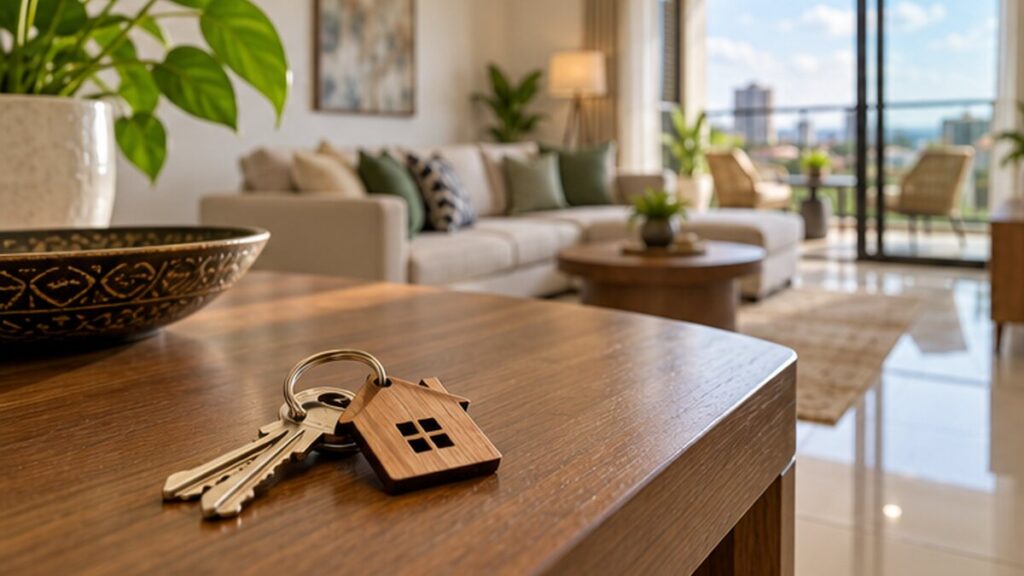
Finding the right place is a balance between convenience and affordability. Browse current rental options through Nova Real Estate’s marketplace, then arrange a viewing and confirm the details of any property directly before making a commitment.


Add comment